
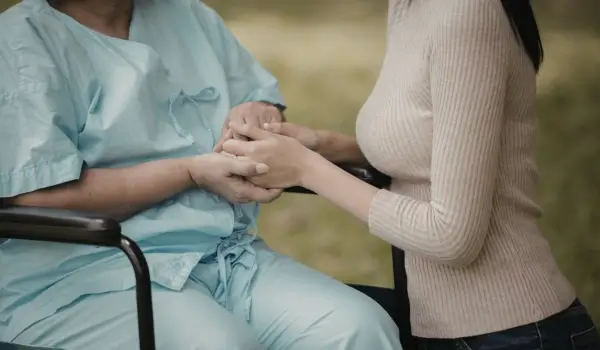
Falls are one of the leading causes of injury among older adults, and for families watching a loved one navigate increasing unsteadiness, the fear of a fall can feel constant. That fear is valid. A single fall can have serious consequences, from fractures and hospitalization to a lasting loss of confidence and independence. But high fall risk is not something a family simply has to accept and worry about. There is a great deal that can be done, at home, in medical care, and in daily routines, to reduce risk meaningfully and support a loved one in staying as safe and mobile as possible.
Understand What Is Driving the Fall Risk
Falls rarely have a single cause. In most cases, fall risk is the result of several overlapping factors working together: muscle weakness, balance problems, medication side effects, vision changes, low blood pressure upon standing, and environmental hazards in the home. Before taking action, it helps to understand which of these factors are most relevant for your loved one.
A conversation with their primary care physician is a good starting point. Many clinics offer formal fall risk assessments that evaluate gait, strength, balance, and other contributing factors. Knowing what is driving the risk allows interventions to be targeted and effective rather than generic.
Make the Home Environment Safer
The home is where most falls happen, and modifying it thoughtfully is one of the highest-impact steps a family can take. Begin with the areas of greatest use and greatest hazard. Bathrooms are particularly important: installing grab bars near the toilet and in the shower or tub, adding a shower chair, and placing non-slip mats on all wet surfaces significantly reduce the risk of bathroom falls.
Throughout the rest of the home, clear pathways of clutter and loose rugs that can catch a foot mid-step. Ensure that all areas are adequately lit, particularly hallways and stairways used at night. Move frequently used items to accessible heights so that reaching and bending are minimized. These changes do not have to happen all at once, but addressing the highest-risk spots promptly is worth prioritizing.
Support Strength and Balance With Gentle Activity
Physical deconditioning accelerates fall risk, which means that inactivity creates a cycle that is difficult to break. Encouraging regular gentle movement, even short daily walks, seated exercises, or light balance practice while holding a stable surface, helps maintain the strength and coordination that protect against falls. Many communities offer fall prevention exercise programs specifically designed for older adults, and participation in these programs has been shown to reduce fall rates meaningfully.
Address the Emotional Side of Fall Risk
For many older adults, the fear of falling becomes its own risk factor. People who are afraid of falling begin to limit their movement, which leads to further weakness, reduced confidence, and paradoxically, a higher likelihood of falling when they do move. Acknowledging this fear with compassion rather than dismissing it opens a conversation about what support would actually help your loved one feel more confident moving through their day.
Staying connected, checking in regularly, and making sure they have a way to call for help if something does happen, whether through a medical alert device or a consistent check-in routine, provides a layer of reassurance that supports both safety and emotional wellbeing.
Supporting a loved one with high fall risk is an ongoing process rather than a single fix. The families who do it most effectively combine environmental changes, medical attention, physical activity, and emotional support into a consistent, caring approach that helps their loved one stay safe without feeling diminished.